Follow Me On Social Media!

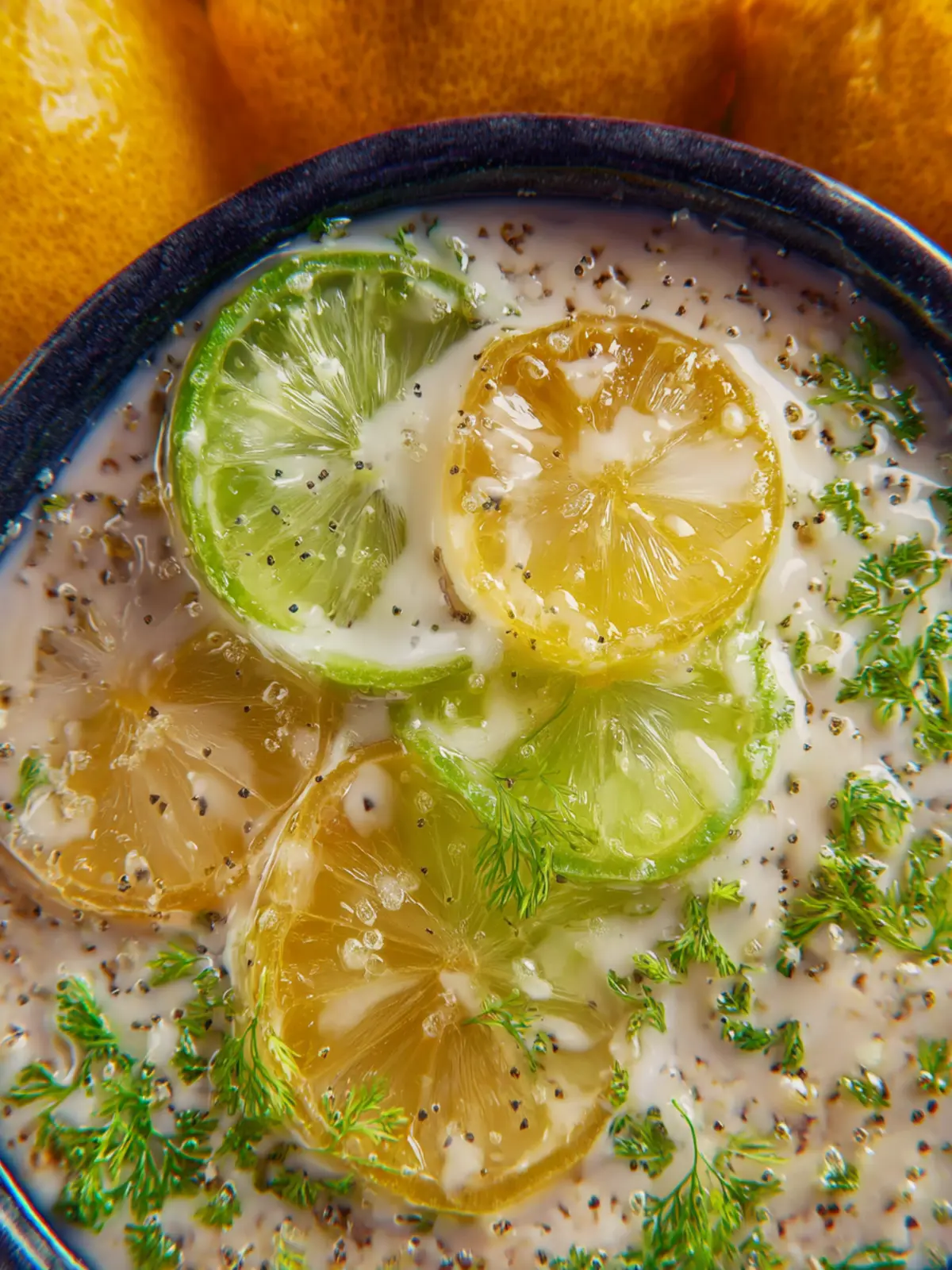
Sana Hua Nimbu Recipe: The Best Zesty Twist for Home Cooks

Introduction to Sana Hua Nimbu Recipe (Nimbu Saan)
Imagine a dish that captures the essence of vibrant Kumaoni culture, where every bite bursts with tangy goodness and heartfelt stories of family gatherings. The Sana Hua Nimbu Recipe, also known as Nimbu Saan, does just that. Originating from the picturesque hills of Uttarakhand, this traditional pickle is a culinary treasure that showcases the incredible flavors of Kumaoni lemons. Whether you’re looking to add a zesty kick to your meals or simply want to preserve the essence of these unique lemons, this recipe will take you on a delightful journey.
The Tangy Goodness of Kumaoni Lemons
Kumaoni lemons are truly special—smaller and far more aromatic than their commercial counterparts. Their bright yellow skin and juicy pulp pack an impressive flavor that can elevate even the simplest dishes. The beauty of the Sana Hua Nimbu Recipe lies in its straightforwardness, allowing the natural tanginess of these lemons to shine through.
You might wonder, what makes this recipe so cherished? The secret lies not only in the quality of the lemons but also in the careful balance of spices and ingredients used in this traditional preparation. Using only fresh, locally sourced ingredients, this pickle is genuinely a reflection of the region’s agricultural bounty.
Imagine coming home after a long, tiring day, and there’s a jar of Nimbu Saan waiting for you on the kitchen shelf. Just a spoonful brings back memories of sunlit afternoons spent with family, picnicking on flatbreads and rice, all enhanced by the unique tang of Kumaoni lemons. It’s not just a pickle; it’s an experience, a fusion of flavors that brings comfort and warmth.
So, whether you’re a seasoned cook or a novice in the kitchen, the Sana Hua Nimbu Recipe invites you to explore the wonderful world of Kumaoni cuisine. Embrace the tangy goodness—let’s dive into making this delightful pickle that’s bound to be a staple in your culinary repertoire.
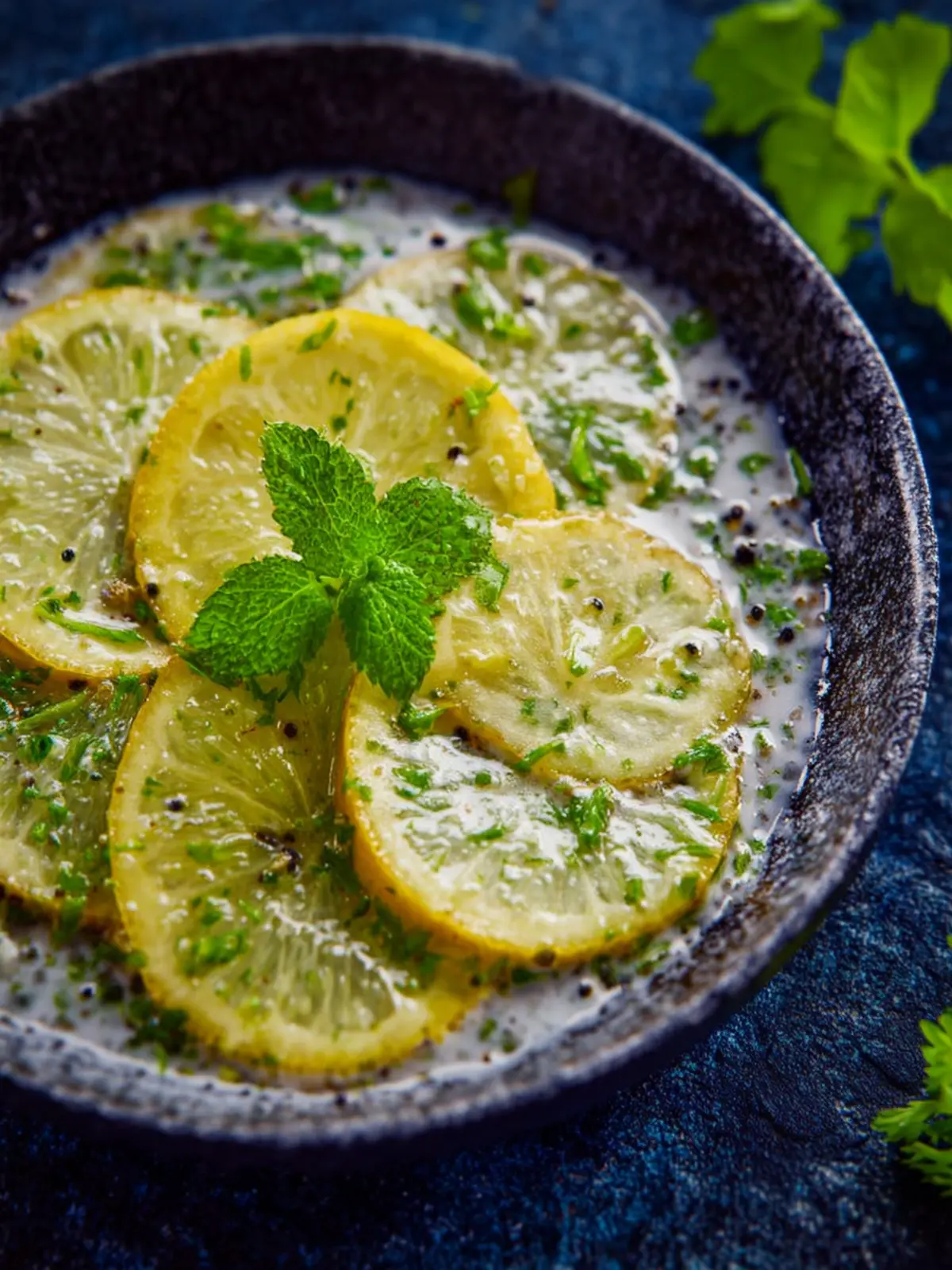
Key Ingredients for Sana Hua Nimbu Recipe
Sana Hua Nimbu truly shines thanks to its thoughtfully chosen ingredients, each contributing to a delightful and refreshing experience. Let’s delve into the key components that make this dish a standout!
Kumaoni Lemon
At the heart of this dish is the Kumaoni lemon, which offers an exceptionally refreshing tartness. This unique variety is prized for its bright flavor, making it indispensable in any Sana Hua Nimbu recipe.
Hemp Seeds
Providing a nutty flavor and added nutrition, hemp seeds are a powerhouse. They not only enhance the taste but also bring in healthy fats that support your overall well-being.
Cumin Seeds
Cumin seeds inject a fragrant quality that elevates the dish to another level. Their warm, earthy notes create a beautiful balance with the other fresh ingredients.
Garlic
Minced garlic is essential for that aromatic kick. It adds depth and a slight sharpness that complements the citrusy elements beautifully.
Green Chilies
For those who enjoy a little heat, green chilies contribute just the right amount of spice without overwhelming the other flavors.
Cilantro
Adding a burst of freshness and vibrant color, cilantro is not just a garnish—it’s a crucial component that ties all the flavors together.
Salt
Salt is a flavor enhancer and brings out the best in the ingredients, amplifying their natural tastes and ensuring each bite is satisfying.
Jaggery
The inclusion of jaggery provides a touch of sweetness that perfectly balances the tartness of the lemons, creating a harmonious flavor profile.
Yogurt
Finally, yogurt brings a creamy texture and a cooling effect, making this dish even more enjoyable, especially on warm days.
Together, these ingredients create a delightful Sana Hua Nimbu that bursts with flavor and nutrition, perfect for refreshing your palate!
Why You’ll Love This Recipe
A burst of fresh flavors
The Sana Hua Nimbu Recipe brings a delightful explosion of freshness that’s hard to resist. Each bite celebrates the zesty punch of lemon, elegantly balanced with a hint of spice. The combination of fresh herbs and seasonings elevates this dish, making it perfect for gatherings or as a refreshing side. Imagine the first taste—the tang of lemon paired with aromatic spices dancing on your palate. It’s like a burst of sunshine on a plate!
Easy to make for busy lifestyles
In today’s hectic world, finding the time to cook can be a challenge. What’s great about the Sana Hua Nimbu is how straightforward it is. You only need a few ingredients and minimal prep time. This means you can whip up a delightful dish without sacrificing your precious hours after a busy day. It’s perfect for young professionals who crave a home-cooked meal but don’t want to spend hours in the kitchen. Why order takeout when this simple recipe is at your fingertips?
Healthy and nutritious alternative to fast food
Health-conscious eaters will appreciate the nutritious benefits of the Sana Hua Nimbu Recipe. Packed with vitamins from fresh lemons and other wholesome ingredients, this dish serves as a colorful and invigorating alternative to processed fast food. You’re not just satisfying your hunger; you’re nourishing your body too. It’s a win-win situation—deliciousness that doesn’t compromise your health. So, why not give it a try? You might find it becoming a regular on your dinner table!
Variations
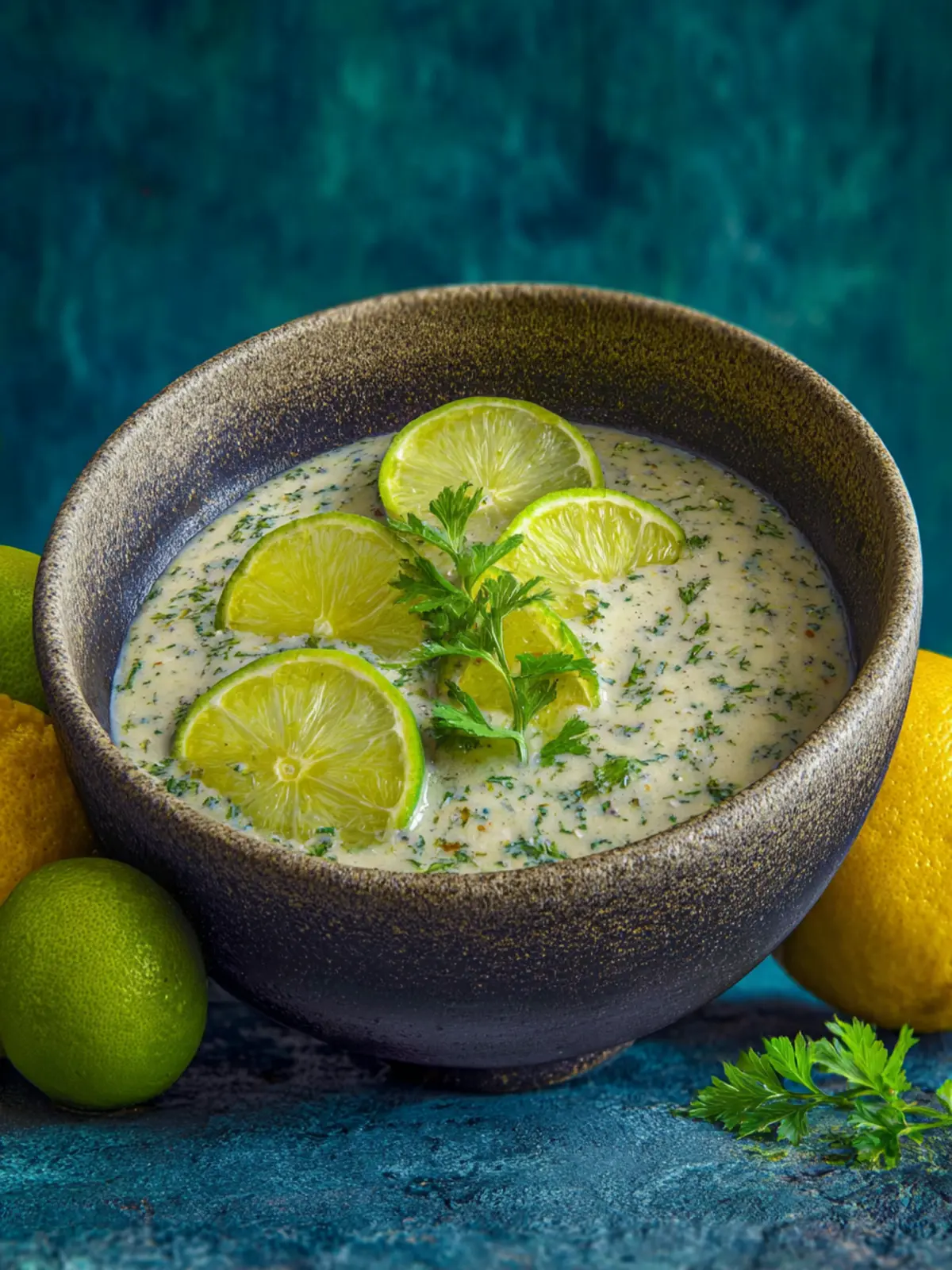
When it comes to crafting the perfect Sana Hua Nimbu Recipe, there are several delightful twists you can explore to cater to various tastes and dietary needs.
Lovely substitutions for dietary needs
- Sweetener Options: If you prefer a lower-sugar alternative, consider using honey or agave syrup. These natural sweeteners retain the zesty flavor while keeping your dish healthier.
- Sugar-Free Options: For those on a sugar-restricted diet, monk fruit sweetener or erythritol can serve as excellent zero-calorie substitutes.
- Herbs and Spices: While the traditional recipe calls for specific spices, feel free to experiment with fresh herbs like cilantro or mint for a vibrant touch.
Seasonal ingredient swaps for flavor
- Fruits: Depending on the season, try swapping out standard lemons for fresh, tart limes or even tangy oranges for a unique flavor profile. Each fruit brings its own brightness to the dish, ensuring a fresh taste year-round.
- Zests: Infusing your Sana Hua Nimbu Recipe with seasonal zests like grapefruit or tangerine can elevate its complexity, making every bite memorable.
These variations not only honor the essence of this classic recipe but also invite personal flair, ensuring every dish is as unique as you are.
Cooking Tips and Notes
Insightful Tips for Perfecting the Dish
Creating a delightful Sana Hua Nimbu Recipe can be magical when you pay attention to the details. Selecting the right lemons is crucial; choose fresh, ripe ones that yield slightly when you press them. This indicates juiciness. Consider squeezing a bit of lime juice along with the lemon; it adds a depth that brightens the overall flavor. Also, let the mixture marinate for at least a couple of hours or, ideally, overnight. This allows the flavors to meld beautifully, resulting in a zesty, vibrant punch that’ll have everyone coming back for more!
Common Pitfalls to Avoid
To ensure your Sana Hua Nimbu turns out perfectly every time, watch out for these common mistakes:
- Overpowering Saltiness: It can overshadow the lemony goodness. Start with less and adjust as needed.
- Under-Marinating: If you don’t give it enough time to sit, the ingredients won’t have a chance to infuse the flavors properly.
- Ignoring Temperature: Serving this dish cold can enhance its refreshing qualities, so don’t forget to chill it before serving!
- Overlooking Fresh Ingredients: Stale spices or old lemons can dull the flavor. Freshness is key for a vibrant taste experience.
By sidestepping these pitfalls and focusing on the details, you’ll elevate your Sana Hua Nimbu to mouthwatering perfection every time.
Serving Suggestions
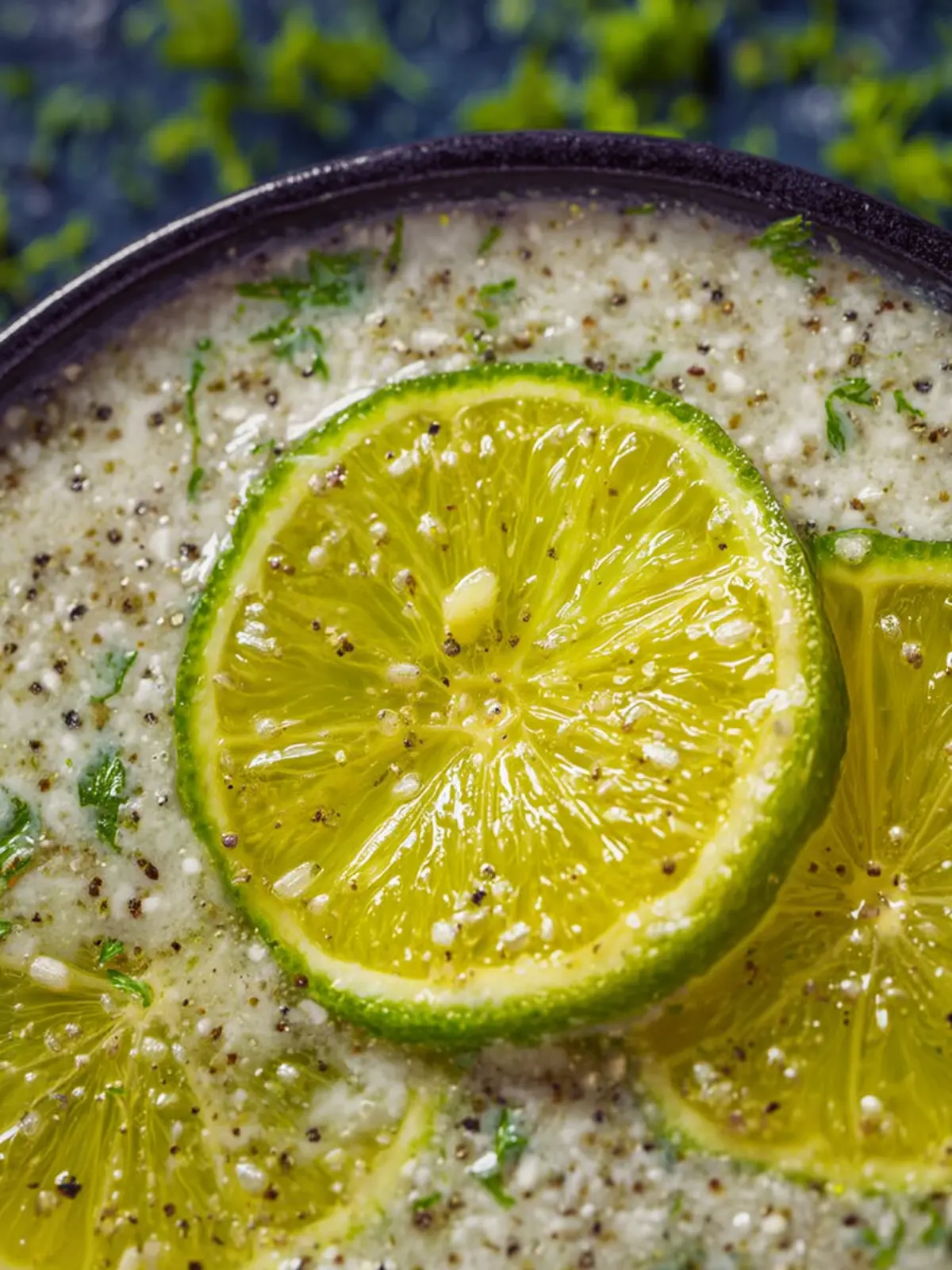
The beauty of the Sana Hua Nimbu Recipe (Nimbu Saan) lies not only in its zesty flavor but also in its versatility when it comes to serving. Once you master this delightful dish, you’ll find it pairs wonderfully with various complementary dishes.
Complementary Dishes and Pairings
Using Sana Hua Nimbu, you can elevate several meals. Consider serving it alongside:
- Grilled chicken or fish, as the tangy flavors balance the richness.
- A refreshing salad, perhaps with quinoa, cherry tomatoes, and feta, to enhance the entire experience.
- Spiced lentils or chana masala for a hearty vegetarian option that marries beautifully.
Creative Ways to Enjoy the Recipe
Feeling adventurous? Here are some imaginative ways to savor your Sana Hua Nimbu:
- Marinade Magic: Use it as a marinade for meats or tofu, giving them an extra zest before grilling.
- Flavor Boost: Drizzle it over roasted vegetables or stir it into your favorite pasta dish for a citrusy twist.
- Unique Dressings: Blend it into dressings for salads or grain bowls to add a vibrant flair.
Whichever way you choose to enjoy it, Sana Hua Nimbu is sure to shine on your dining table, offering refreshing and lively flavors that will keep your taste buds dancing.
Time Breakdown for Sana Hua Nimbu Recipe
When crafting the delightful Sana Hua Nimbu, every minute counts. This recipe, steeped in aromatic spices and vibrant flavors, deserves your attention. Here’s how to plan your time effectively:
Preparation Time
Gathering and prepping your ingredients typically takes 15 minutes. This includes washing and slicing the lemons, measuring the spices, and ensuring everything is ready to go.
Cooking Time
Once you start cooking, you’ll spend about 30 minutes on the stove. This includes cooking the lemons with spices, sugar, and water until they’re perfectly tender and fragrant.
Total Time
In total, be prepared to spend around 45 minutes from start to finish. This includes both preparation and cooking, ensuring you get to enjoy this delightful dish without feeling rushed.
Nutritional Facts for Sana Hua Nimbu Recipe
Embracing the vibrant flavors of the Sana Hua Nimbu Recipe not only delights the palate but also offers beneficial nutrients that contribute to overall well-being. Here’s a breakdown of what you’re indulging in:
Calories
A serving of Sana Hua Nimbu contains approximately 120 calories, making it a light yet satisfying choice for a snack or side dish.
Protein
This refreshing dish provides around 2 grams of protein per serving, helping to support muscle health and keep you feeling full.
Fiber
Each serving boasts about 3 grams of dietary fiber, promoting healthy digestion and keeping you satisfied longer.
Other Key Nutrients
Besides being low in calories, Sana Hua Nimbu is rich in vitamins C and B6, contributing to immune function and energy metabolism. The inclusion of fresh ingredients also means natural antioxidants, which can promote overall health.
Enjoy this delightful dish knowing it’s not just tasty, but also a nutritious addition to your culinary repertoire!
FAQ about Sana Hua Nimbu Recipe
In the world of traditional cuisine, Sana Hua Nimbu stands out for its unique flavors and health benefits. As you navigate through this delightful recipe, you’re likely to have some questions. Let’s address the most common inquiries.
Can I use regular lemons instead of Kumaoni lemons?
Absolutely! While Kumaoni lemons offer a distinctive aroma and flavor that enhance this dish, regular lemons can be a suitable substitute. Just keep in mind that their flavor may be slightly milder. You might want to adjust the quantity to get that tangy zest you desire.
What if I don’t have hemp seeds?
If you can’t find hemp seeds, don’t stress! You can replace them with sunflower seeds or even finely chopped nuts like almonds or cashews. These alternatives will provide a pleasant crunch and maintain the nutritional aspect of the Sana Hua Nimbu Recipe.
Is it possible to adjust the spice levels?
Definitely! The beauty of cooking lies in customization. If you prefer a milder taste, feel free to reduce the spices. On the other hand, if you’re keen on a bit of heat, adding a dash of chili powder or black pepper can elevate the dish. Taste as you go for the perfect balance.
Can I prepare this dish in advance?
Absolutely! Preparing Sana Hua Nimbu in advance can actually enhance its flavors as the ingredients meld together. Store it in an airtight container in the fridge, and it should stay fresh for a few days. Just stir it well before serving to re-integrate the flavors. Enjoy your cooking adventure!
Conclusion on Sana Hua Nimbu Recipe
The joy of homemade food
Crafting your own Sana Hua Nimbu brings not just a burst of flavor but a deep sense of satisfaction. There’s something special about transforming simple ingredients into a delightful treat that can brighten up any meal or snack.
Encouragement to try the recipe
Embrace the challenge of the Sana Hua Nimbu Recipe. As you embark on this flavorful journey, remember that every step is a learning experience. Don’t hesitate to experiment with the flavors! Sharing this dish with friends and family can elevate any gathering, leaving a lasting impression. So roll up your sleeves and get started—you won’t regret it!
Print
Kumaoni Lemon and Hemp Seed Chutney
- Total Time: 25 minutes
- Yield: 4 servings 1x
- Diet: Vegetarian
Description
A refreshing and tangy chutney made with Kumaoni lemon and hemp seeds, perfect as a dip or side dish.
Ingredients
Scale
- 1 large Kumaoni lemon (galgal, chukh or hill lemon)
- 2 tablespoons hemp seeds (cannabis seeds, bhangira, bhanga)
- 1 teaspoon cumin seeds
- 1 teaspoon minced garlic
- 1 teaspoon chopped green chilies
- 2 tablespoons chopped cilantro (fresh coriander leaves)
- ½ teaspoon salt (or to taste)
- 3 tablespoons powdered jaggery
- 1 cup thick plain yogurt (curd, dahi) (chilled or at room temperature)
- 1 teaspoon mustard oil (optional but recommended)
Instructions
- Dry roast hemp seeds and cumin seeds on low heat until they are fragrant and start spluttering (4-5 minutes), stirring continuously.
- Remove the pan from the heat and let the seeds cool down.
- Add the roasted seeds, garlic, green chilies, coriander, and 1/4 cup water to a blender and blend to make a coarse paste. Set aside.
- Cut the lemon into halves longitudinally (lengthwise). Peel off the rind and separate the segments, discarding the seeds and parchment-like skin. Remove the fibers. We only need the pulp.
- Add the lemon pulp, hemp seeds paste, salt, jaggery, and yogurt to a bowl and mix well.
- Drizzle mustard oil on top and serve.
Notes
- This chutney pairs well with various Indian snacks and meals.
- Adjust the spice level by changing the amount of green chilies as per your preference.
- Prep Time: 15 minutes
- Cook Time: 10 minutes
- Category: Condiment
- Method: blend and mix
- Cuisine: Indian
Nutrition
- Serving Size: 1/4 cup
- Calories: 150
- Sugar: 10g
- Sodium: 200mg
- Fat: 8g
- Saturated Fat: 1g
- Unsaturated Fat: 5g
- Trans Fat: 0g
- Carbohydrates: 15g
- Fiber: 2g
- Protein: 5g
- Cholesterol: 0mg