Follow Me On Social Media!


Homemade Mayo: The Creamy Secret You’ll Love to Make

Introduction to Homemade Mayo
Imagine walking into your kitchen and whipping up a batch of homemade mayo that’s rich, creamy, and bursting with flavor. This experience not only enhances your culinary skills but also gives you control over what goes into your condiments. Believe it or not, homemade mayo is easier to make than you might think, and the results will revolutionize the way you enjoy sandwiches, salads, and dips.
Making homemade mayo allows you to ditch artificial preservatives and sugars typically found in store-bought varieties. If you’ve ever turned the bottle around and squinted at the long list of ingredients, you probably know what I’m talking about. With just a few simple components—eggs, oil, vinegar or lemon juice, and mustard—you can craft a condiment that’s not only delicious but also tailored to your taste preferences.
What makes homemade mayo the best choice?
-
Freshness: When you make mayo at home, it’s bound to taste fresher than anything you can grab off a supermarket shelf. Fresh mayo has a lightness and a zesty kick that is hard to replicate.
-
Customizable: Whether you like your mayo tangy, spicy, or on the milder side, you have complete control over flavorings. Feel free to experiment with different oils, mix in herbs, or even add garlic for a delightful twist.
-
Healthier Option: You can choose high-quality oils, such as olive or avocado oil, to keep your mayo nutritious. Plus, knowing exactly what goes into your mayo means fewer additives and healthier eating.
-
Cost-Effective: Often, homemade versions can be more economical than purchasing gourmet options. With just a few eggs and some oil, you can create a generous batch at a fraction of the cost.
With homemade mayo, you’re not just creating a condiment; you’re crafting an experience filled with flavor and creativity. So, roll up your sleeves and let’s dive into this delightful culinary adventure!
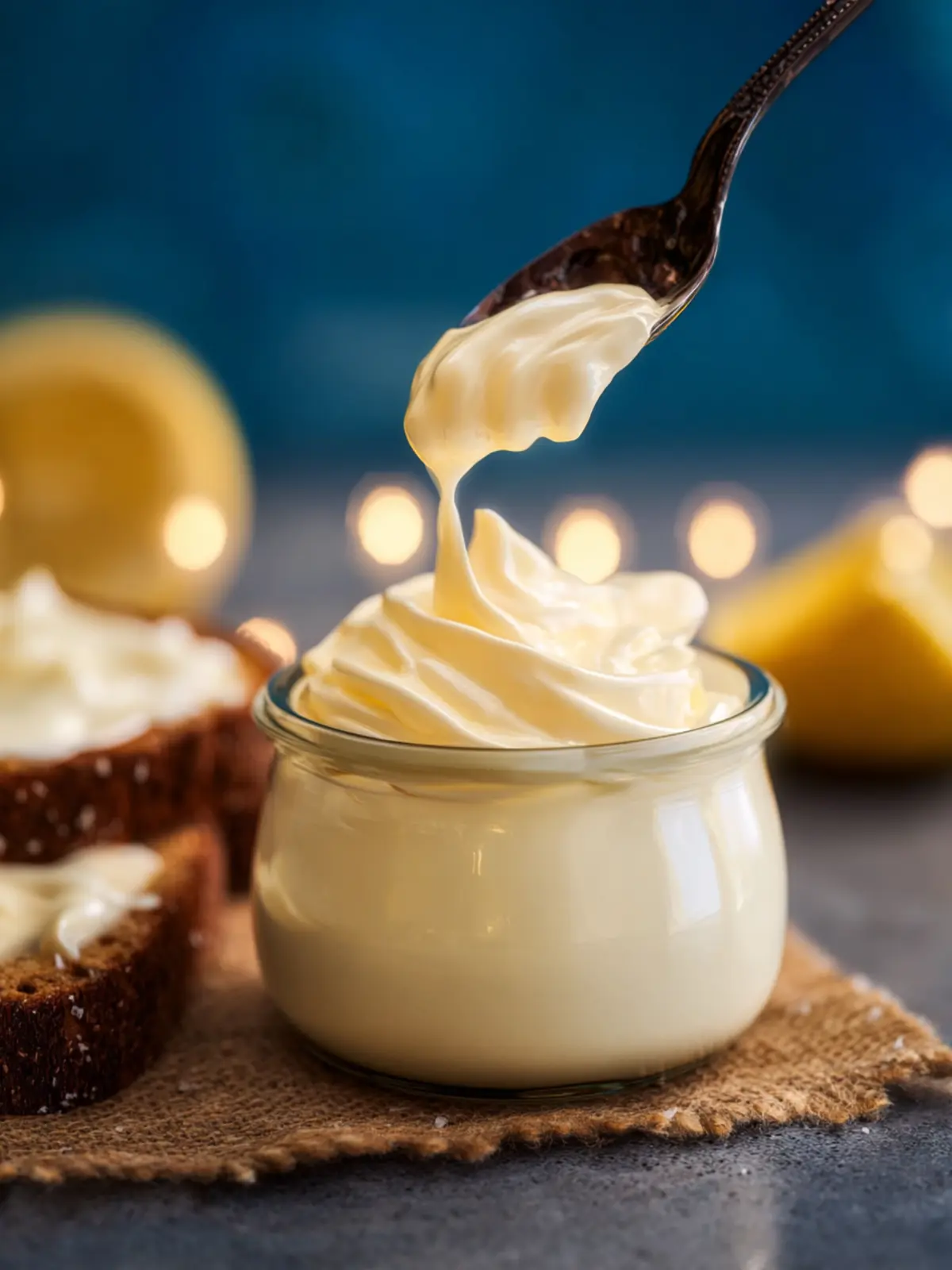
Key Ingredients for Homemade Mayo
Creating homemade mayo is a delightful endeavor that transforms simple ingredients into a creamy masterpiece. Here’s a breakdown of what you need to make your own.
-
Eggs: Start with fresh, large eggs, ideally at room temperature. They serve as the base for your mayo, providing that rich texture and custard-like consistency we all crave. The yolks help emulsify the oil, giving your mayo stability and creaminess.
-
Oil: Choose a light-flavored oil such as canola or grapeseed for a neutral taste. Olive oil can work, but be cautious; its assertive flavor can overpower the mayo. The oil is crucial, as it creates that luscious, thick texture.
-
Vinegar or Lemon Juice: Acid is your friend here! Both vinegar and lemon juice not only add a tangy zing but also help stabilize the mayo. I personally prefer lemon juice for a fresher taste.
-
Salt: A pinch of salt enhances all the flavors in your homemade mayo, making it more enjoyable. This simple addition can elevate your dip, dressing, or sandwich spread to new heights!
-
Mustard: While optional, a teaspoon of Dijon mustard can add depth and a subtle kick to your mayo. It works wonders alongside the other ingredients to create a balanced flavor profile.
Once you gather these essentials, you’re well on your way to crafting a delicious batch of homemade mayo that will impress your taste buds and guests alike!
Why You’ll Love This Homemade Mayo
When you whip up a batch of homemade mayo, you’re not just making a condiment; you’re creating a creamy delight that elevates every meal. Picture this: a luscious, velvety spread that adds a burst of flavor to sandwiches, a delightful dip for veggies, or the secret ingredient in your favorite potato salad.
Fresh Ingredients Make a Difference
-
Eggs: Fresh eggs are vital for achieving that rich, creamy texture. The yolk acts as an emulsifier, helping to blend the oil and other ingredients seamlessly. You’ll be amazed at how much better your mayo tastes with high-quality eggs!
-
Oil: Opting for a neutral oil like canola or avocado guarantees that the mayo flavor shines through. Skip the old store-bought versions loaded with preservatives; homemade mayo gives you pure, unadulterated taste.
-
Acid: A splash of vinegar or lemon juice adds a zesty kick while also enhancing shelf life. You can experiment with different types of vinegar for unique flavor profiles.
Customizable Flavor Profiles
What’s truly exciting about making homemade mayo is how you can play with flavors. Want a hint of garlic? Just add some minced garlic. Craving some spice? A dash of sriracha can change the game. The possibilities are as endless as your culinary creativity!
Creating your own mayo opens the door to a world of flavor and freshness that store-bought can’t match. So get ready to fall in love with every creamy, dreamy bite!

Cooking Tips and Notes for Homemade Mayo
Crafting homemade mayo is not just about mixing ingredients; it’s a culinary adventure that brings out the gourmet chef in you. As someone who loves the thrill of creating from scratch, I can attest that this creamy condiment can elevate your meals and impress your guests. Here are a few tips to help you achieve that perfect homemade experience.
Start with Room Temperature Ingredients
You’ll want to make sure your eggs and oil are at room temperature before starting. This crucial step helps the mayonnaise emulsify properly, preventing it from separating and giving you that smooth texture we all crave.
Choose High-Quality Oil
The flavor of your homemade mayo largely depends on the oil you choose. Opt for light oils like canola or grapeseed for a neutral taste, or go with extra virgin olive oil for something richer. Just keep in mind that a strong oil can dominate the flavor.
Blend Wisely
When it comes to blending, start your immersion blender at the bottom of the jar and slowly move it up. This technique helps ensure all the ingredients combine seamlessly, turning your mixture into that luscious mayonnaise we all love.
Adjust to Taste
Don’t hesitate to tweak the recipe. Add a splash of lemon juice for brightness or a pinch of garlic for a punch! Your homemade mayo should reflect your taste preferences, so make it uniquely yours.
By incorporating these tips, you’ll not only avoid common pitfalls but also discover the joys of creating homemade mayo that’s tailored just for you.
Serving Suggestions for Homemade Mayo
Creating your own homemade mayo opens up a world of culinary possibilities that can elevate your dishes to the next level. One crucial factor is knowing how to serve this creamy delight to maximize its flavor and texture. Let’s dig into some scrumptious ideas that pair beautifully with your freshly whipped mayo.
Spread It on Sandwiches
The classic use for homemade mayo is as a spread on sandwiches. Whether you’re crafting a simple turkey wrap or a stacked BLT, a generous layer of this creamy concoction adds richness and depth.
As a Dip for Vegetables
Chop up some fresh veggies and serve them alongside a bowl of homemade mayo for a delightful appetizer. Carrots, bell peppers, and cucumbers not only taste delicious when dipped but also bring a crunchy contrast to the silky mayo.
Tossed in Salads
Try incorporating homemade mayo into your salads. It works wonderfully as a base for coleslaw or mixed into potato salad, giving that extra creaminess. Just a few tablespoons can transform a bland dish into a flavor-packed side.
Each of these serving suggestions can showcase your homemade mayo in simple yet delightful ways, making your meals even more enjoyable!

Time Breakdown for Homemade Mayo
Making homemade mayo is not only satisfying but also incredibly quick! Here’s how your time will be spent during this delightful process.
Preparation Time
To whip up your homemade mayo, you’ll spend about 5 minutes gathering your ingredients and measuring them out. Ensuring everything is in place makes blending a breeze.
Blending Time
The real magic happens in just 1 to 2 minutes of blending. Whether you use an immersion blender or a traditional whisk, you’ll see your mayo come together quickly with a creamy texture.
Total Time
In total, creating your delicious homemade mayo will take around 7 minutes. Yes, you read that right! In just a few minutes, you can elevate your sandwiches and salads!
Nutritional Facts for Homemade Mayo
Creating your own homemade mayo can elevate not just your sandwiches but also your understanding of nutrition. Packed with wholesome ingredients, this creamy delight is both delicious and satisfying. Here’s a quick snapshot of what you’re getting in each tablespoon of your tasty concoction.
Calories
In a tablespoon of homemade mayo, you’re looking at approximately 90 calories. This makes it a rich ingredient that can enhance the flavor of various dishes while keeping your meal’s calorie count in check.
Fat Content
The beauty of homemade mayo lies in its health-friendly fats. With about 10 grams of total fat per tablespoon, it’s primarily made up of heart-healthy unsaturated fats, which can support good cholesterol levels when enjoyed in moderation.
Protein
While mayo isn’t a protein powerhouse, you can still expect around 0.1 grams of protein per tablespoon. Its primary role is to add creaminess and flavor rather than to serve as a protein source, but every little bit counts!
FAQ about Homemade Mayo
Crafting your own homemade mayo can be an adventure in the kitchen, not just a culinary task. If you’ve ever wondered about some common questions regarding this creamy delight, you’re in the right place. Here are answers to some frequent inquiries that could enhance your mayo-making experience.
Can I make homemade mayo without an immersion blender?
Absolutely! While an immersion blender is a popular tool due to its ease of use, you can still whip up homemade mayo using a whisk or even a food processor. It may take a bit more effort, especially with a whisk, but the satisfaction of creating a creamy emulsion by hand is rewarding. Just remember to add the oil slowly to help the emulsion form properly.
How long does homemade mayo last in the fridge?
Homemade mayo is typically good in the refrigerator for about one week. Make sure you store it in a clean, airtight container to prolong its freshness. If you notice any off-smells or separation, it’s best to discard it. Homemade condiments lack preservatives, so keeping an eye on their freshness is crucial.
Can I customize the flavors in my homemade mayo?
Definitely! One of the joys of making homemade mayo is the ability to personalize it. You can infuse flavors like garlic, lemon juice, herbs, or even spices such as smoked paprika to create unique variations. Just remember to balance the additional ingredients to maintain the creamy texture and flavor you love. The possibilities are endless, so feel free to get creative!
Conclusion on Homemade Mayo
Crafting your own homemade mayo is not just about preparing a condiment—it’s a delightful experience that connects you to your kitchen and ingredients. Making mayo at home allows you to control flavors, adjust thickness, and create a spread tailored to your taste.
Imagine slathering this creamy goodness on a sandwich, drizzling it over a fresh salad, or using it as a base for your favorite sauces. Plus, the satisfaction of creating something from scratch adds a special touch to any meal. Whether you stick to the classic recipe or experiment with your flavors, homemade mayo will elevate your culinary adventures to new heights. Happy mixing!
Print
Easy Homemade Mayonnaise
- Total Time: 10 minutes
- Yield: 1 cup 1x
- Diet: Vegetarian
Description
This easy homemade mayonnaise recipe is quick to make and requires just a few simple ingredients to create a creamy and delicious condiment.
Ingredients
Scale
- 1 whole large egg
- 1 Tablespoon Dijon mustard
- 1 Tablespoon lemon juice
- 1 clove garlic (minced)
- 1 cup avocado oil (or other neutral oil)
- ½ teaspoon salt
Instructions
- Using a large mouth jar or glass (you want something that the immersion blender can just fit into) add the egg, lemon juice and mustard. Test that putting the immersion blender in the ingredients come up to the blades (this will ensure it fully emulsifies).
- Remove the blender, add the garlic, salt and pour in the oil. Let the mixture set for 1 minute to slightly combine before blending.
- Add your immersion blender, and process on high. Once the mixture starts to emulsify, gently tilt the blender to the side and slowly rise to the top to fully blend everything together. This process should take about 1 minute.
- Cover and store in the fridge for up to 2 weeks.
Notes
- This mayonnaise can be customized with additional flavors, such as herbs or spices.
- Make sure the egg is fresh for the best results.
- Prep Time: 10 minutes
- Category: Condiment
- Method: Blending
- Cuisine: American
Nutrition
- Serving Size: 1 tablespoon
- Calories: 94
- Sugar: 0.1g
- Sodium: 100mg
- Fat: 10g
- Saturated Fat: 1g
- Unsaturated Fat: 9g
- Trans Fat: 0g
- Carbohydrates: 0.1g
- Fiber: 0g
- Protein: 0.1g
- Cholesterol: 37mg